

Safety-first guidance for restraint emergencies, medical care, evidence, emergency communication, and home-security prevention.
Home Security News
How to Prevent a Home Invasion in 2026: Entry Security, Alarm Tests, and Response Plan

A practical home-invasion prevention plan covering doors, windows, lighting, sensors, cameras, alarms, outages, household response, and quarterly testing.
SpotCrime Review 2026: Crime Map Coverage, Data Delays, Accuracy, and Alternatives

SpotCrime is a free crime mapping service that pulls police report data from thousands of agencies and plots it on an interactive map. Check what crimes are happening near your address, research neighborhoods before moving, and set up free email alerts for new incidents. Covers theft, assault, burglary, vandalism, and arrests. Data freshness varies by city — some update daily, others lag weeks. Best used alongside NeighborhoodScout and local PD sites for a complete picture.
Trulia Crime Map in 2026: What It Shows, Limits, and Better Neighborhood Checks
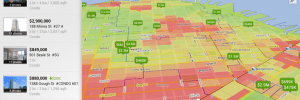
How to read Trulia neighborhood and crime-map information, check dates and missing data, confirm official sources, visit the area, and assess the property itself.
What Burglars Look For in a House: 422 Convicted Burglars on Entry, Timing, Alarms, and Deterrents

422 convicted burglars told UNC researchers exactly how they pick targets and what makes them leave. 83% checked for alarm systems before entering. 60% chose a different target if one was present. Most break-ins happen between 10am-3pm (weekdays when homes are empty), through unlocked doors or first-floor windows. Average time inside: under 10 minutes. The data says the same thing: visible deterrents work, and a monitored alarm system changes the math. We map the FBI and UNC data to specific security upgrades ranked by cost vs impact.
