
They are both bad but what’s the difference?
If you’ve ever been the victim of a robbery or burglary, you know just how terrifying they can be. While a burglary and a robbery can both be equally as terrifying or intrusive, there are some differences between the two. Here’s what you can do as a homeowner to keep your home safe from a robbery or burglary while keeping your family safe and out of harms way.
What is Theft?
It’s important to know what is considered a theft by the government. The answer is simple: if you are taking something that doesn’t belong to you, without permission from the owner, you are committing a theft.
What is a Robbery?
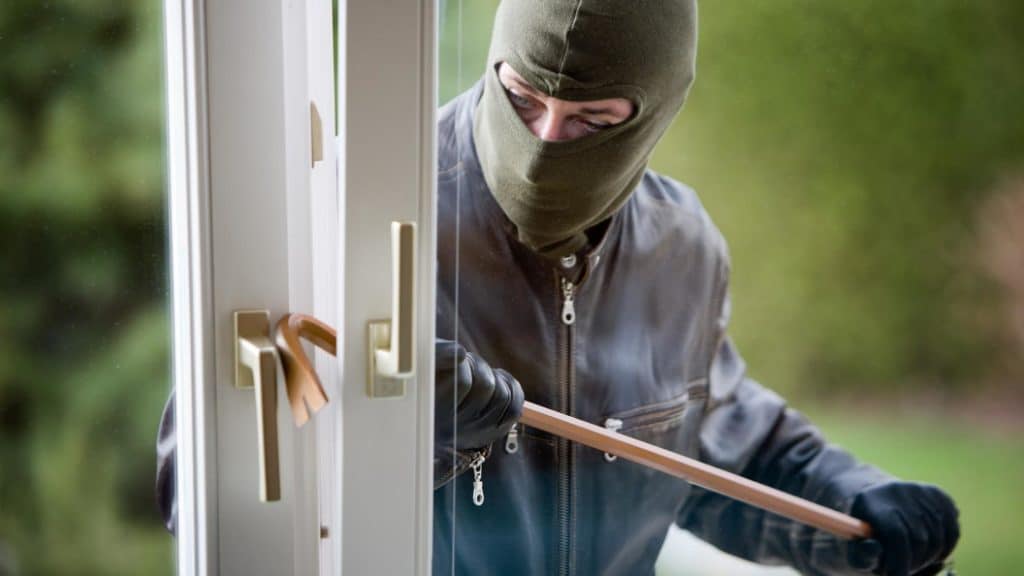
Robbery means to “use force” when taking or stealing something that doesn’t belong to you. When weapons are used, common phrases like “armed robbery” or “aggravated robbery” are used to describe the nature and severity of the crime. If no one is around when the crime is committed, it’s considered a burglary and not a robbery.
As soon as there is direct victim involvement, any case of theft is considered a robbery. Especially if the perpetrator forced the victim to comply with intimidation or force during the crime. Additionally, the intent of the perpetrator matters incredibly in terms of a robbery.
It’s not considered a robbery when your daughter borrows a pair of shoes without asking…although it is extremely annoying! Additionally, if someone steals something from you without forcing you to do something, this is simply considered a theft and not a burglary or robbery.
What is a Burglary?
Did you know that as far a burglary is concerned, a theft doesn’t even have to occur? Burglary is defined when an unauthorized individual enters a home or other building with the intent to commit a crime. Often times, the intended crime is vandalism or theft, but in either case, the crime is classified as a burglary. And regardless of if the intended crime was actually committed, and if caught, the perpetrator will be charged with a count of burglary.
It doesn’t matter if you simply left a door or a window unlocked while you ran to the grocery store! As long as you did not give the perpetrator permission to enter your home, the crime is considered a burglary. Burglary isn’t just the term used to describe a typical forced entry, burglary covers ANY kind of unlawful entry into your home or another personally owned building.
What Can You do To Protect Your Home?
Preventing a home robbery or burglary can seem like a daunting task! Many houses are large, and there can be a lot of ground to cover when it comes to home security and theft prevention. If you are concerned about a burglary happening in your home, try these easy ideas that will help better protect your home:
Double Key Deadbolts: Making sure that your front door is 100% secure is one of the most important things a homeowner could probably do. Homeowners should be sure that deadbolts are in good condition and screwed into the door frame correctly (you can use longer screws for a stronger hold!)
Additionally, homeowners can install double key deadbolts that require a key to enter AND exit the home. Thieves might not be too interested in your television if they can’t figure out how to sneak it outside! Be warned, however, that the double key system could prove deadly in the event of a fire. If you decide to get one, make sure that those living in the house are aware of where the second key is located. You can even get a magnetic box to store the key inside of if your door is magnetic. Just make sure it’s hidden from eye level, or disguised as something else!
Keep It Off the Internet: As tempting as it might be, make sure to keep ANY information regarding a family vacation off of Facebook and other internet websites. Even a simple “Vacation Countdown” can tip off thieves, as can a poolside photo. Keep your vacation off of social media until you return home!
If you can, have a neighbor collect your mail and packages everyday so thieves aren’t aware of an empty home. If it snowed, their footprints to the mailbox and door will keep burglars at bay as well!
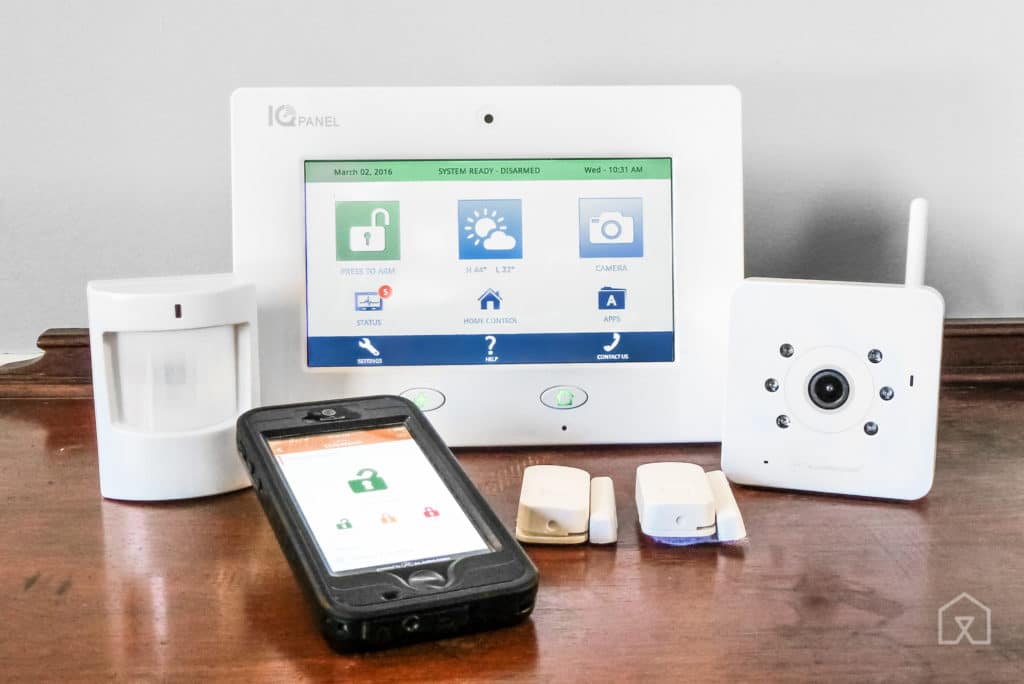
Install A Home Security System: At the end of the day, nothing is going to be as effective at protecting your home and family than a home security system would. There are several different kids of home alarms available, fit for any sized home and any sized budget! A home security system will help you sleep easier with piece of mind that your home (and family members) are safe and sound while you are at work or out of town.
At Alarm Reviews, we recommend using home security systems like ADT, Vivint, Protect America, and Link Home. For the full list of the best home security companies in the nation, read our full and comprehensive list if you are interested in protecting your home from a worst case scenario!
You Should Be Thinking About Home Security!
Are you ready to “take the plunge” and protect your home from a robbery or burglary? Though the cost of a home security system is outlandish for some, quality peace of mind doesn’t come at a price, and neither does the safety of your home.
If you aren’t thinking about your home security, you should be! According to the FBI, there are over 2 million burglaries reported across the United States every year. When it’s put in perspective like that, is’t it crucial to protect what matters to you and your family? Don’t be another burglary statistic and invest in an affordable, quality, home security system.
We understand that there are tons of home alarm systems out there, and we are committed to helping you make an educated decision when it comes to your home safety. If you are interested in learning more about which alarm would work best for you.
Latest Posts
- 5 Predictions About the Future of Home Monitoring Systems That’ll Shock You
- The Hidden Dangers of Home Security Cameras You Should Know About
- The Hidden Truth About AI Home Security: Are We Compromising Our Privacy?
- What No One Tells You About the Real Costs of Home Burglaries
- What No One Tells You About Crime Data and Your Community’s Safety

Growing up with Law and Order and CSI shows taught Isabelle Landau one thing: if people back then had high-quality home security systems, those series would have been way shorter. In our modern world, technology helps us keep burglars away easily, and this is what Izzy studies and writes about: alarm systems, home security, protection systems, and more.
Kassandra says
I have mixed up the terms for so many years, I thought they could be used regardless of context. Thank you for taking the time to clear that out. Anyhow, I did know of an incident that happened to my friend’s family wherein someone broke in their house when they were away for a vacation. My friend was also the type to post everytime she’s about to go for a vacation, so I would see how that probably contributed to the breaking in. Lesson learned, indeed.
Sage Cassen says
All I know is I never want to be part of either regardless of how they are defined! You guys should also cover a home invasion which is when there is a burglary while you are within the home. These are the scariest situation to be in and most home owners that are caught in it rarely have the time to locate and get their defense (gun, knife) for defense. Even if you carry concealed most put away once at home.